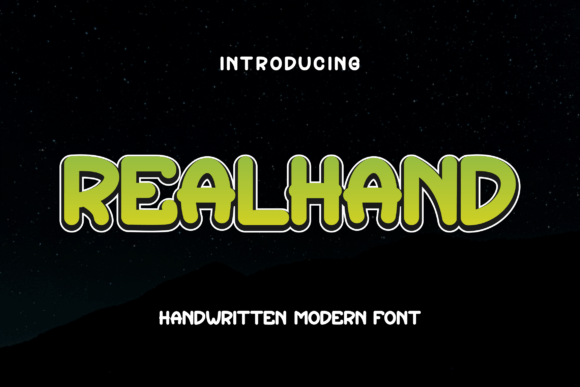
Realhand: A Bold Display Font for Editorial Design
There’s something about the right font that can transform a simple layout into a visual story. I remember the moment I first encountered Realhand—a display font with a confident presence, as if it had been waiting to be discovered. It wasn’t just another typeface; it felt like a voice with character, ready to speak for a publication or brand. As someone who has spent years designing layouts for blogs, magazines, and digital guides, I know how crucial the right typography is in shaping the mood and identity of any content.
A Font with Personality
Realhand carries a bold yet authentic feel, making it ideal for projects where impact matters. Its clean lines and structured forms give it an air of modernity, while its slightly expressive strokes add warmth and approachability. This balance makes it versatile enough to fit into various editorial contexts—from a sleek lifestyle blog to a vibrant esports magazine cover.
The rhythm of Realhand feels intentional. Each letterform flows with a sense of purpose, ensuring that titles and headings stand out without overwhelming the reader. It doesn’t shout; it commands attention with grace. That subtle strength is what makes it so appealing for editorial design.
Real-World Applications in Content Layouts
I recently used Realhand in redesigning the header for a lifestyle blog focused on wellness and mindfulness. The previous font felt too formal, and the new one needed to reflect the blog’s relaxed yet inspiring tone. Realhand fit perfectly—it brought energy to the header without losing the calmness of the content below.
For a recipe ebook I worked on, Realhand became the go-to choice for chapter titles and section headers. It added a touch of personality to each recipe, making the book feel more engaging. When paired with a clean sans-serif font for body text, the contrast helped maintain readability while keeping the design visually dynamic.
In another project, a printable planner for creative professionals, Realhand was used for decorative accents and pull quotes. It gave the planner a professional yet creative edge, aligning well with the target audience’s aesthetic preferences.
Readability and Practical Considerations
While Realhand excels in display settings, it’s important to note that it’s not suitable for long-form reading or dense paragraphs. Its expressive nature works best in short bursts—titles, subtitles, pull quotes, and section headings. For body copy, pairing it with a more readable serif or sans-serif font ensures a balanced and accessible layout.
When using Realhand in digital formats, I found that it rendered well on both desktop and mobile screens, maintaining clarity even at smaller sizes. In print, the font held up nicely, especially when exported as high-resolution PDFs. However, for small captions or intricate details, a more minimalist font might be better suited.
Before finalizing any design, it’s always wise to check the font’s available styles, alternates, ligatures, and multilingual support. Realhand offers several weights and variations, giving designers flexibility in their creative process. Also, confirming the licensing terms is essential, especially when incorporating the font into paid products or client projects.
Designing with Realhand: Tips and Pairings
To maximize the potential of Realhand, consider experimenting with font pairings. A strong display font like this works beautifully alongside a classic serif font such as Garamond or Caslon for body text, creating a harmonious contrast. For digital interfaces, a modern sans-serif like Helvetica Neue or Arial Rounded can provide a clean counterbalance to Realhand’s bolder style.
Use Realhand sparingly to avoid visual clutter. Let it shine in key areas like headlines, chapter openers, and promotional graphics. Its presence should enhance the design rather than distract from it.
Whether you're working on a newsletter, course PDF, or wedding guide, Realhand brings a unique flair that elevates the overall look. It supports a consistent brand identity while allowing room for creativity and personal expression.
Ultimately, Realhand is more than just a display font—it’s a tool that helps shape the narrative of your content. With thoughtful application and smart pairings, it can become a trusted asset in your editorial toolkit, helping you create designs that are both visually compelling and functionally effective.